PVC coated fabrics are versatile materials used across various industries due to their durability, weather resistance, and adaptability. These fabrics are essentially pvc textile material, lending them attributes ideal for applications ranging from tent tarps to fireproof tarp solutions. Many of these products are also produced as pvc laminated fabric, enhancing strength and waterproof performance for demanding industrial uses. As the demand for reliable, high-performance fabrics grows, understanding the different aspects of PVC coated polyester fabric can provide insights into how they can meet specific industrial needs. This article explores the coating process, available types, industrial applications, benefits, and essential care practices for these materials, offering a detailed look into their significant role in today's market.
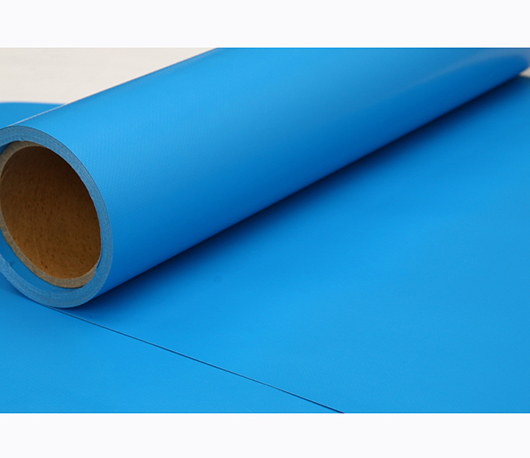
The process of coating fabric with PVC is a meticulous one, aimed at enhancing the fabric's natural properties while imparting additional features such as waterproofing and flame resistance. It involves several key stages, each crucial in achieving the desired quality and functionality.
| Stage | Description | Purpose |
|---|---|---|
| Preparation | The fabric is cleaned and prepped to ensure the PVC adheres properly. | Ensures maximum adhesion and longevity |
| Application | PVC is applied to the surface through techniques like coating or laminating. | Adds desired features such as fire retardant tarp |
| Curing | The coated fabric is heated to set the PVC. | Solidifies the coating for durability |
| Finishing | The fabric is inspected and treated for final use. | Ensures quality control and readiness for use |
This process results in a fabric that not only retains its core textile properties but is also enhanced with attributes essential for demanding environments, making it ideal for tarpaulin material used in shelters and protections.
PVC coated polyester fabric comes in numerous varieties, each suited for different applications and environments. The range includes options like clear pvc coated tarpaulin for visual clarity needs, camouflage tarp for outdoor settings, and heat-resistant tarp for areas exposed to high temperatures.
Below are some common types and their uses:
| Type | Features | Common Uses |
|---|---|---|
| Vinyl tarps | Heavy-duty, waterproof | Construction sites, industrial covers |
| Fire proof tarp | Flame-resistant, safety certified | Event spaces, welding covers |
| Tarp awning | UV resistant, flexible | Outdoor awnings, sun covers |
| Camo tarpaulin | Blends with surroundings, durable | Military applications, hunting covers |
The availability of these types ensures that tarpaulin manufacturers can provide tailored solutions that meet industrial and consumer needs effectively.
The industrial applications of PVC coated fabric in China are vast and varied, driven largely by their robust qualities. These fabrics are especially valued in industries where performance under stress and exposure is crucial.
Some notable applications include:
Transportation: Used as protective truck covers and cargo hold linings.
Construction: Essential for heavy duty camo tarp solutions, protecting materials and equipment.
Sports and Recreation: Provide weatherproof coverings for outdoor gear and tensile fabric sports structures.
Professional Events: Utilized in event tents and clear PVC tarp applications for visibility.
The adaptability of these materials makes them indispensable in scenarios that require robust protection and performance.
PVC textile and related products come with numerous benefits that drive their popularity in high-demand environments. These advantages extend beyond basic protection, including enhance lifespan and efficiency in application.
Weather Resistance: Offers superior protection against rain, wind, and sun.
Durability: Resistant to tears and abrasions, maintaining integrity over time.
Flexibility: Easy to handle and install, particularly beneficial for quick deployments.
Reusable: Designed for multiple uses, reducing costs and environmental impact.
These advantages ensure that special tarpaulins such as flame resistant tarp and fire resistant tarp provide not just coverage but peace of mind for users.
Proper care and storage are vital for maintaining the quality and extending the life of PVC coated polyester fabrics. Trusted pvc fabric suppliers like Heli recommend following best practices to ensure these materials remain efficient and reliable over time.
Key care tips include:
Cleaning: Regular cleaning with mild soap and water to prevent grime buildup.
Storage: Store in a cool, dry place away from direct sunlight to prevent PVC fabric deterioration.
Handling: Avoid dragging over rough surfaces to prevent abrasions.
Inspection: Routine checks for tears or wear to perform timely repairs.
Adhering to these guidelines ensures that PVC tarpaulin and similar products stay in optimal condition, extending their usability and performance life.
Conclusion
The versatility and strength of PVC coated fabrics make them a staple in many industrial sectors. From providing fire retardant tarp solutions to supporting major construction projects, these materials have demonstrated their value time and again. By understanding the coating processes, types, applications, benefits, and care practices associated with them, industry professionals and consumers alike can make informed choices that best serve their specific needs. Whether seeking pvc coated fabric material for vinyl tarps or exploring innovative functions in flame retardant tarp, the insights provided here ensure a deeper appreciation and effective application of these multi-talented materials.
Top PVC Coated Fabric Factories in China
Top 10 PVC Tarpaulin Suppliers in India
Top PVC Tarpaulin Manufacturers
Top 10 PVC Tarpaulin Suppliers in Brazil
 Tel/Whatsapp +8613567368410
  jack@tarpaulinspvc.com
 English