In the marine industry, the integrity of an inflatable boat depends entirely on its skin. Whether utilized for professional search and rescue operations, high-speed sport, or leisure cruising, the material forming the hull must withstand immense pressure, abrasive elements, and harsh aquatic conditions. For manufacturers aiming to produce premium-quality marine gear, selecting the right PVC inflatable boat fabric is not just a technical specification—it is a commitment to user safety and long-term product success.
Designing a reliable inflatable boat requires a material that balances mechanical strength with exceptional flexibility. Unlike static structures, inflatable vessels undergo constant folding, unfolding, and cyclical pressure changes. Consequently, the fabric must possess high tensile strength to prevent structural failure under load, while remaining airtight to maintain buoyancy throughout its service life.
Manufacturers consistently look for a base fabric that provides the necessary dimensional stability. High-strength polyester mesh is the industry standard due to its superior strength-to-weight ratio. However, raw mesh alone cannot withstand the corrosive marine environment; it requires a sophisticated coating process to achieve the necessary performance. Reliability starts at the source, which is why working with reputable PVC coated fabric suppliers is the first step in ensuring that the final hull remains buoyant, safe, and resilient in diverse water conditions.
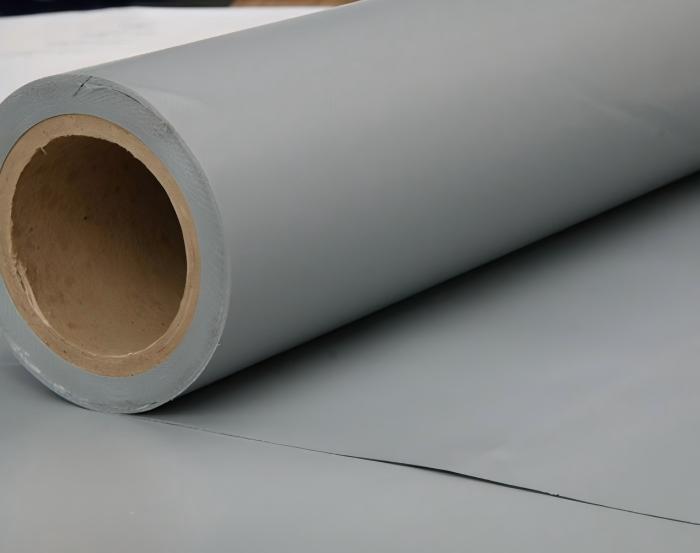
In the professional marine sector, PVC (Polyvinyl Chloride) has long been regarded as the gold standard for inflatable hull construction. Its popularity stems from its molecular versatility and robust performance. Through advanced knife-coating or calendaring processes, PVC can be fused to a polyester base to create a seamless, monolithic structure that outperforms traditional rubber-based alternatives.
This material is favored for several reasons. First, its airtightness is unmatched, which is critical because inflatable boats rely on maintaining internal air pressure; a high-quality hull material ensures that air leakage is virtually eliminated at the material level. Second, the material is highly resistant to delamination, a common failure point in inferior composites where the coating separates from the base fabric. By selecting high-grade PVC inflatable boat fabric, manufacturers offer a finished product that resists the constant stress of inflation and deflation, season after season, providing a level of trust that end-users demand.
When evaluating fabric for marine applications, decision-makers must look beyond surface appearances. Technical specifications are the only way to guarantee consistent manufacturing quality and safety. To ensure your inflatable boat performs reliably, prioritize the following five technical metrics:
| Performance Metric | Importance for Inflatable Boats |
|---|---|
| Tensile & Tear Strength | Resists rupture under extreme air pressure and impact. |
| Airtightness | Prevents air loss, maintaining boat shape and buoyancy. |
| Adhesion Level | Prevents "delamination" or layer separation under stress. |
| Flexibility | Allows for easy folding/storage without cold cracking. |
| Weight (GSM) | Balances durability vs. portability (800-1500gsm). |
By insisting on verifiable test data for these metrics, manufacturers can guarantee that their production process starts with a solid foundation. Reliability in material performance is not accidental; it is the result of precise manufacturing control over thickness, coating consistency, and surface finish.
An inflatable boat is often subjected to the most demanding outdoor environments imaginable. Intense UV radiation, saltwater, fuel exposure, and chemical contaminants can degrade lesser materials in a matter of months.
Advanced PVC inflatable boat fabric is engineered with stabilization additives that act as a shield against photo-degradation. UV stabilizers prevent the PVC surface from becoming brittle or chalky when exposed to prolonged sunlight. Simultaneously, the chemical-resistant nature of high-quality PVC ensures that accidental spills of gasoline or oil—common in marine environments—do not soften or degrade the hull material. For the end user, this translates to a boat that maintains its aesthetic appeal and structural safety for years longer than vessels made from lower-tier materials.
Finishing and customization are the final steps in engineering a superior inflatable hull. Surface texture and grip are significantly improved through specialized embossments, providing non-slip surfaces for operators that remain safe even when the boat is wet. Furthermore, the fabric is optimized for molecular-level high-frequency welding, which fuses PVC layers into seams that are often stronger than the fabric itself, virtually eliminating the risk of air leaks. Our 50,000 square meter facility also allows for custom width manufacturing up to 5.1 meters and specialized chemical treatments, ensuring your PVC Fabric meets specific branding and environmental resistance requirements. We prioritize manufacturing consistency to increase your factory's production efficiency.
At Haining Heli Textile Co. Ltd., we treat every batch of fabric as an opportunity to push the boundaries of performance. We recognize that consistency is the cornerstone of your factory's productivity. By maintaining strict quality control over our base weave and our coating processes, we minimize defects and ensure higher throughput on your assembly line. If your brand is looking to secure a supply of premium materials, we invite you to contact our expert team to review our current specifications and see how we can support your production goals.
The construction of a reliable inflatable boat begins with the choice of material. By selecting a high-performance fabric solution from experienced PVC coated fabric suppliers, you are setting the standard for your product's durability, safety, and lifespan. As the marine industry continues to demand more from its equipment, manufacturers who prioritize the quality of their PVC inflatable boat fabric will undoubtedly lead the market in reliability and customer trust. Quality is not just a feature; it is the foundation of every safe journey on the water.
1. Why is choosing the right supplier critical for inflatable boat fabric?
Working with professional PVC coated fabric suppliers ensures consistent quality control, verified tensile strength, and material reliability, which are essential for the safety and longevity of inflatable hulls.
2. What is the difference between standard tarp fabric and marine-grade PVC?
Marine-grade PVC fabric is specially formulated with UV stabilizers, chemical-resistant additives, and higher adhesion levels between the coating and the base mesh, designed specifically to withstand saltwater and intense sun.
3. Can I customize the weight and color of the PVC inflatable boat fabric?
Yes. Professional suppliers offer a wide range of weights (typically 800gsm-1500gsm) and custom color options to match your boat design and branding requirements.
4. Does the fabric affect the boat's folding and storage?
Yes, high-quality PVC inflatable boat fabric is engineered for flexibility. Premium marine-grade fabric allows for repeated inflation and deflation cycles without the risk of "cold cracking" or surface degradation.
 Tel/Whatsapp +8613567368410
  jack@tarpaulinspvc.com
 English